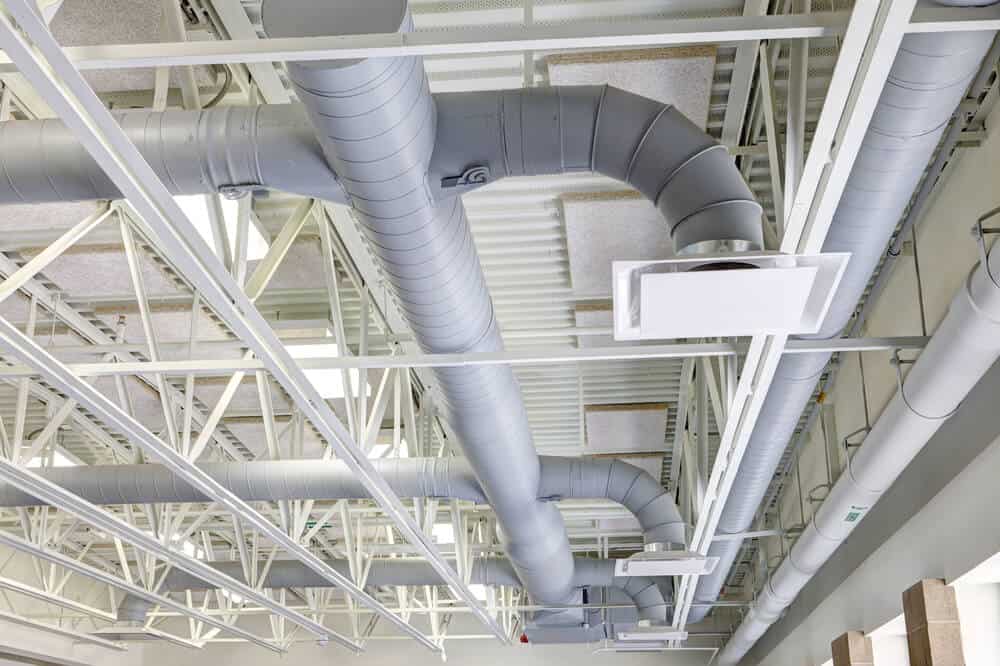
Looking for commercial HVAC service in Chilliwack, BC? Trust Heating & Cooling provides commercial HVAC service in Chilliwack and the Fraser Valley, with support for commercial rooftop equipment, heating and cooling systems, ventilation, ductwork and sheet metal projects. We serve businesses in communities such as Abbotsford, Yarrow, Rosedale, Popkum, Agassiz and Harrison Hot Springs, as well as Chilliwack neighborhoods including Sardis, Promontory, Ryder Lake and Chilliwack Mountain. Contact us to confirm service availability for your business address.
Residential & commercial HVAC • Rooftop equipment, ventilation and sheet metal • Local Fraser Valley service
What commercial HVAC services can a business need?
Depending on the building, needs may include heating and cooling equipment, ventilation, ductwork, controls, troubleshooting, maintenance and system upgrades.
Are FortisBC rebates available for commercial HVAC systems?
Can existing commercial boilers qualify for incentives?
Some FortisBC commercial and industrial programs support eligible heating-system optimization measures, including certain boiler-related improvements. Eligibility depends on the equipment, project, customer account and program terms.
Read the official heating-system optimization program details.
Should we apply before buying equipment?
Yes. Some programs require eligible products, pre-approval, an approved contractor or application within a defined period. Confirm the rules with FortisBC before ordering equipment or starting work.
How can we plan a commercial HVAC project?
Contact Trust Heating & Cooling to discuss the building, existing equipment and project scope. We can discuss the building’s HVAC service needs and project scope. FortisBC determines rebate eligibility and application requirements.
Commercial HVAC Maintenance and Planning
Planned maintenance can help business owners identify developing equipment concerns before they lead to unexpected interruptions. The appropriate schedule depends on the manufacturer, equipment condition, operating hours, building use and site environment. A qualified HVAC technician can assess the system and recommend maintenance based on the equipment and site requirements.
What can a rooftop HVAC maintenance visit include?
Depending on the unit and its condition, a service visit may include checking filters, inspecting accessible coils, reviewing condensate drainage, checking fan-belt condition where fitted, assessing airflow and confirming thermostat or control operation. The technician can also document unusual noise, visible leaks, repeated shutdowns or other operating concerns. The exact work should be matched to the manufacturer’s instructions, equipment design and site conditions.
For multi-unit commercial buildings, keeping a record of unit locations, model numbers, service dates and recurring issues can make future maintenance and replacement planning easier. If a unit is difficult to access or requires special roof access arrangements, let the service provider know when booking.
Information to Gather Before Calling
To make the first discussion more useful, business owners and property managers can prepare the following information where available:
Building address, business type and best site contact.
Equipment type, make, model and approximate age, if known.
Whether the request concerns repair, maintenance, replacement, ventilation or a new installation.
Symptoms, operating concerns, visible control messages and when the issue began.
Existing maintenance records, equipment schedules or project drawings, if available.
Roof or mechanical-room access requirements and any preferred work hours.
Do not access restricted roof areas or open HVAC equipment panels unless authorized and appropriately trained. Before purchasing equipment or starting work, check the relevant FortisBC program for current eligibility, pre-approval and documentation requirements.
How often should a commercial rooftop HVAC unit be serviced?
Service timing depends on the equipment manufacturer, operating hours, building use and site conditions. Buildings with long operating hours or demanding indoor-air requirements may need a different maintenance schedule than lightly used spaces. Follow the manufacturer’s recommendations and arrange an assessment if the unit develops unusual noise, airflow changes, leaks or repeated shutdowns.
What are signs that commercial ductwork needs attention?
Uneven temperatures between rooms, weak airflow, unusual air noise, excessive dust or a noticeable change in system performance can justify checking the duct system. The cause may involve filters, dampers, controls, duct leakage or equipment performance, so a proper inspection is preferable to assuming the ductwork itself is the problem.